
how does this sound?
Byproduct*39

Dear reeeaderr,
I hope you are doing amazing. And by amazing I mean I hope you are constantly finding something to be amazed by, whether it is your joy, your pain, or the constant interchange between the two.
This issue of Byproduct* is the one before we hit the 40th issue! It has been a little over 3 years since I wrote the first one. I extend a BIG thank you to everyone who has been with me on this bilingual newsletter’s journey, and a BIG hello to those who joined recently.
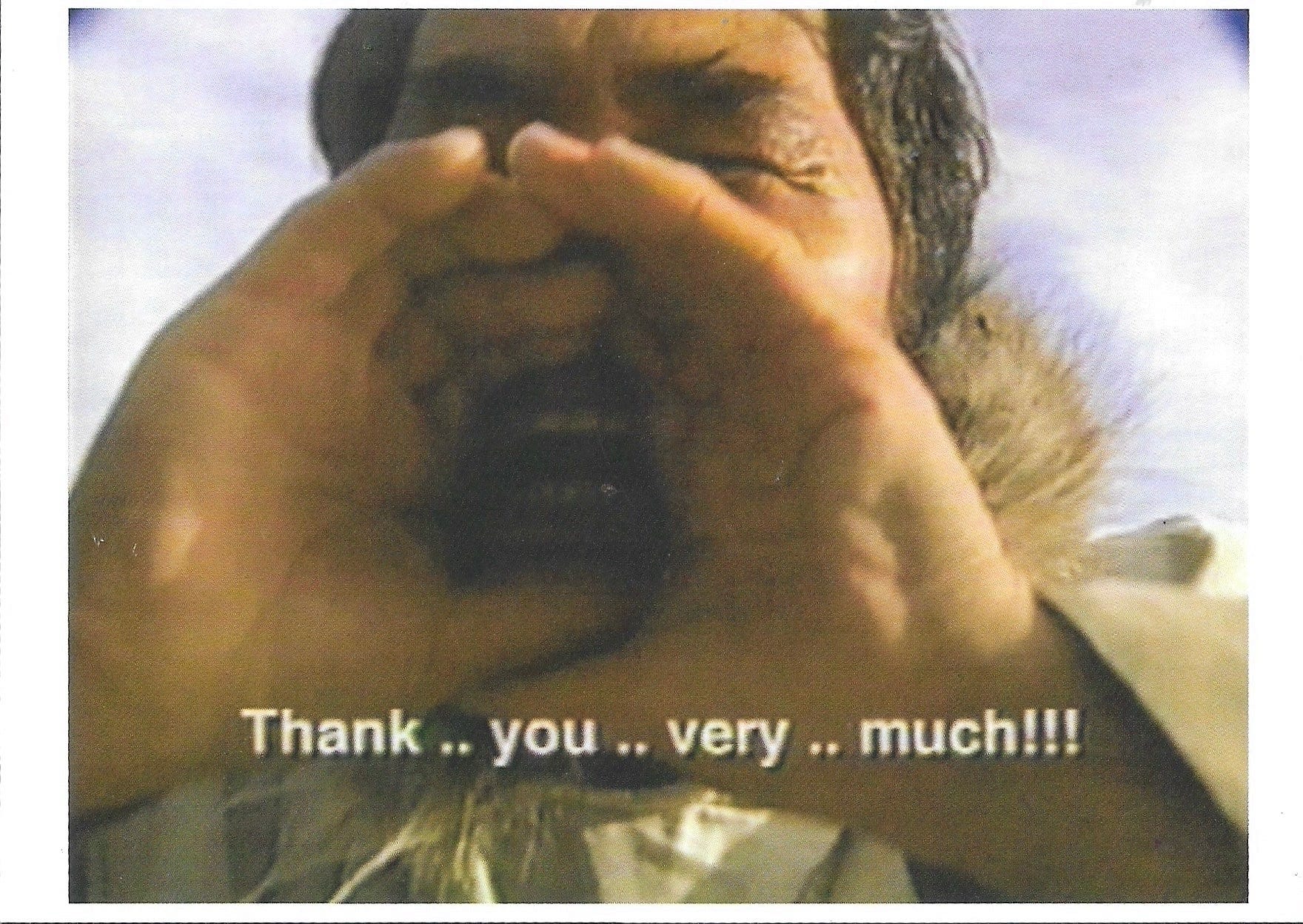
Substack as a platform has been growing lately, or perhaps I started noticing more people who use it. This makes me very happy but also a bit anxious because I have not been posting as regularly. I feel like I have had my peak with consistent posts when I first started or maybe also last year at some point. That is because writing here has never been tied to a pressuring sense of duty, but has rather always been about a sense of play holding hands with an urgency of the best kind. It makes sense because lately I feel I lost touch with my sense of play and have rather been directing my urgency towards other things that can be best described as obligations, grief and internal management.


I am not exactly good at catering content according to the needs of our current times where images speak louder than words and where in fact some images even speak louder than others. Although I am a fast-paced thinker and a rather impatient person, I instead find myself wanting to create things best consumed slowly or with focus or at least with the care only few of us received when growing up.
I intend on publishing Byproduct* more regularly from now on (like its earlier days), in various forms (like it has always been), perhaps a new poem that you will get to read before anyone else, a new essay, recommendations, analyses that connect otherwise unrelated dots, or simply in form of recent diary entries and ramblings.
I also intend to continue mostly in Turkish, but for the sake of the above thank you that I wanted be understood widely and the content I’m sharing below, I wanted to do this one in English.
OK now I am reflecting on Anne Carson’s essay “The Gender of Sound” and presenting you a sound work I made for the Listening Biennial’s İstanbul edition in September 2025 in the context of the essay.
I stumbled across this small orange book during a trip to Amsterdam’s San Serriffe. It is truly one of my favorite places on earth!! And they now stock! my!! book! which got published! earlier this year!!
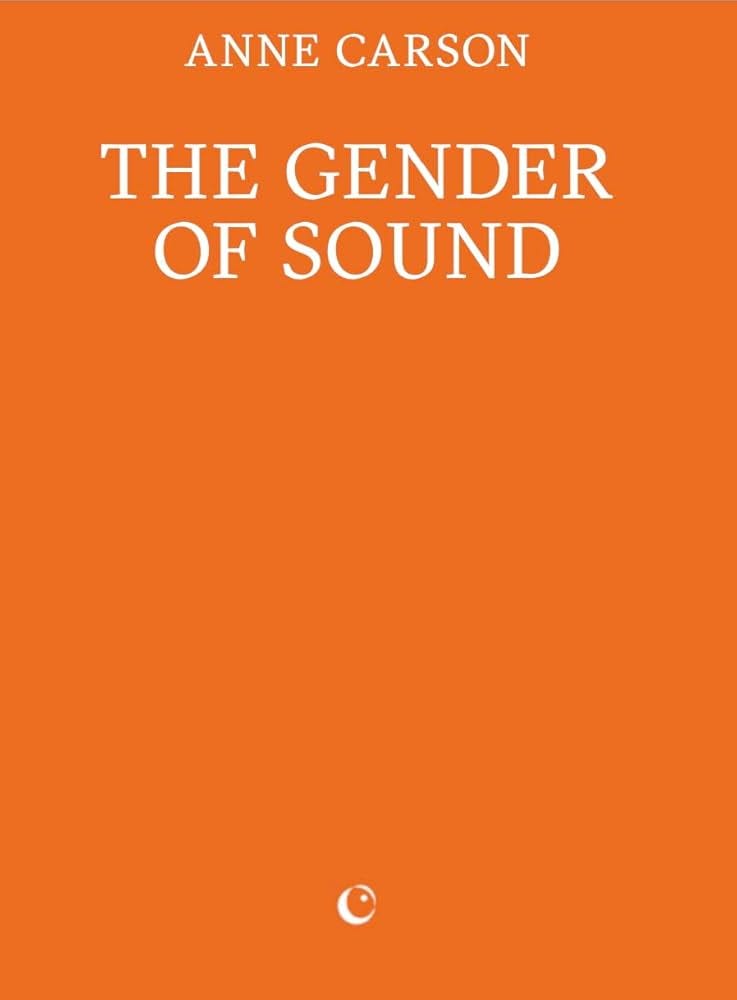
“Putting a door on the female mouth has been an important project of patriarchal culture from antiquity to the present day.", writes Anne Carson. When read with her voice in your head, even this sentence echoes with humour, as I find her to be unintentionally and incredibly funny. But again, with her level of intellect, I doubt not much of what she does or writes is unintentional.
As her field of research would suggest, the essay tackles the issue at hand with references from classical Greece and traces how the female voice has historically been handled by times and societies ruled by men. The interesting thing to discover for me was to indeed be tracing the steps of misogyny all the way back in time and through sound. As in, voice. As in, vibration. As in the first and the deepest impression a person makes on another.
It was crazy to read about how festivals where women would gather to perform rituals by shouting out cries had to be held outside of city limits, in suburban areas like mountains where women could “disport themselves without contaminating the ears or civic space for men”. My brain immediately parallels this to the current reality and how women+ have fewer and fewer spaces to disport themselves without their existence being contaminated, and their experiences frowned upon, judged or abused.
Carson also writes, again in the context of classical Greece, that “a man letting his current emotions come up to his mouth through his tongue is thereby feminized.” This is rather ridiculous because a) in traditional spaces this is still very much the case and b) it also puts into question not only what comes out of a women’s mouth but also how much.
The perceived and attributed domesticity of women suggests that they have also been representing that which is intimate, hidden, belonging to the interior. We have now entire societies advocating for and facilitating women’s participation to the workspace or to many other spaces previously reserved (and built) for men. However the irony of it all is that when a woman speaks (up), it becomes something to be silenced or volumed down at best, because the mere sound of it all makes public space feel uncomfortable for those who have not yet accessed within themselves the same place where this sound may be coming from. She “is that creature who puts the inside on the outside”, “by leakages of all kinds - somatic, vocal, emotional, sexual”, writes Carson, she “blurts out a direct translation of what should be formulated indirectly.”
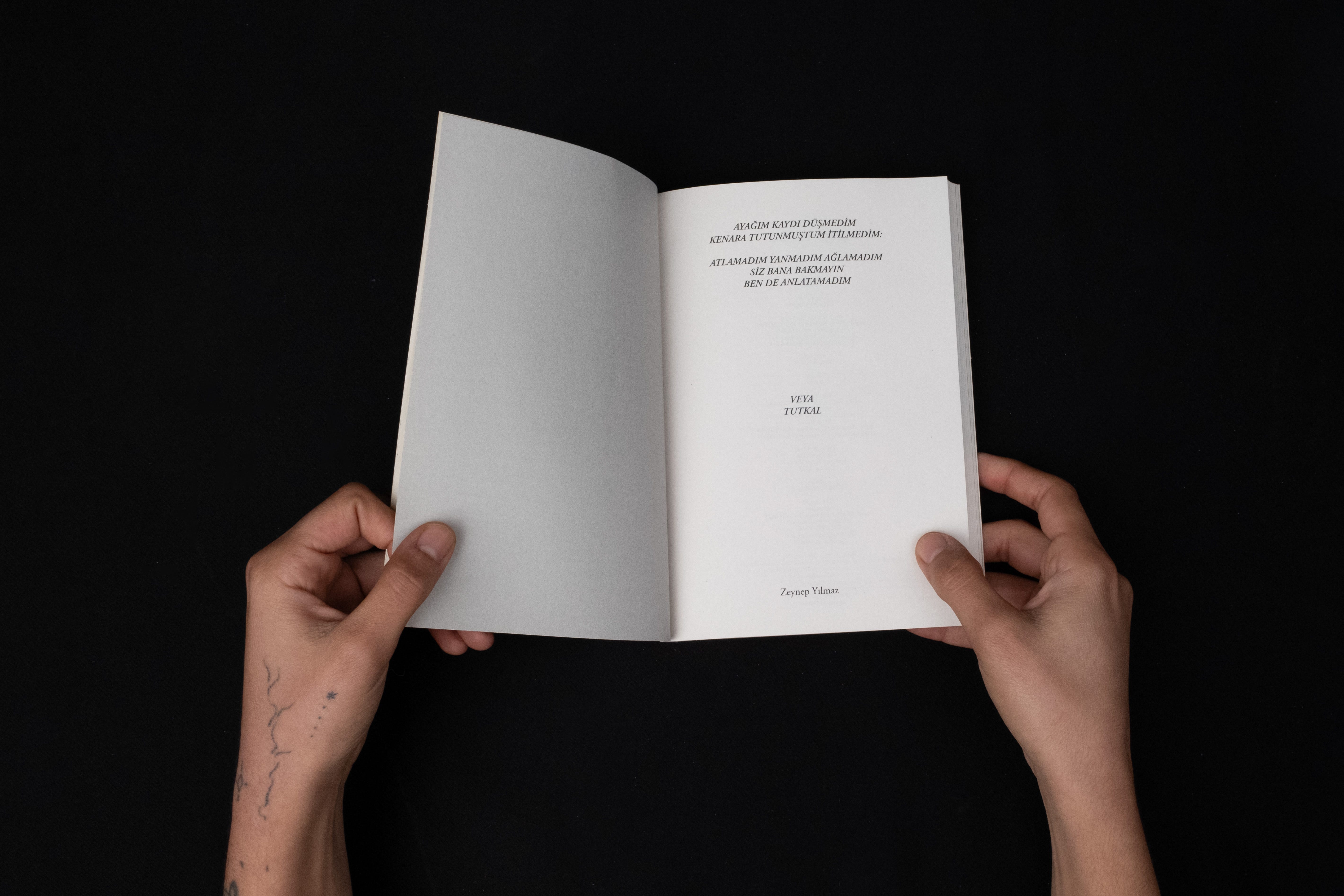
Ever since I started my practice as a writer, an urge to voice whatever I was writing was inseparable from the process. I did not understand it then, and I do not understand it now. But after reading this essay (plus the seeds we planted on the radio episode together with Merve Ünsal on “Gaipten Sesler” on Apaçık Radyo - where we talked about performance’s relation to how much space one takes up or indeed why refrains from doing so) I may have a better sense of why I want to voice what I want to voice. Though I won’t be able to voice it right now. I just have a better sense of it all.
Now I’m thinking about how or whether I am able to hear my own voice speaking to me. Has there been channels that were silenced long ago? Do I push some of my sounds to the outskirts of my city - I assume guarded by my ego?
In any case, below is a sound work that actually patches together me reading some excerpts from previous Byproduct* issues and coming up with the idea of doing crying ASMR content and then actually crying real-time at the very end.
(Untitled) - made for and presented during The Listening Biennial, AVTO, İstanbul, 2025
“Every sound we make is a bit of autobiography. It has a totally private interior yet its trajectory is public.”